
Start Life Coverage You Can Sustain for Years in Indio, CA
Answer the questions in our short form and a licensed California agent serving your area contacts you about term life, whole life and final expense options. People in Indio, La Quinta and Coachella use it to look past the first premium and ask whether they could hold a policy for as long as the need lasts.
- Costs you nothing
- Nothing to buy
- Roughly two minutes
- Move at your own speed
Coverage options for Indio families
Answer six short questions and a licensed agent will follow up with options that fit your situation.
- Takes about two minutes
- No obligation to buy
- Your details stay private
Free, no obligation
See your coverage options
Six short questions. About two minutes.

How We Keep the Start Simple and the Long View Clear
A life policy can be something you pay into for decades. That is why the first step starts with what the money should do and how long it needs to do it.
- The purpose comes before the product
- The short form asks for the coverage amount you're picturing and the person who would receive it. Policy names come later, once the reason for the money is on the table.
- Room to think about year ten
- A premium you take on now could be with you for many years. People often wonder whether it would still be manageable after a new job, a move or retirement, and the agent can talk that through.
- Existing coverage stays in the picture
- An employer group plan or an older policy still counts. Mention it when the agent reaches you, so any new coverage is measured against what you already hold rather than considered by itself.
- Plain words for every part
- Premium, face amount, beneficiary, term length and cash value each mean something exact. We explain them in everyday language so you can see how a policy fits together, while the choice stays yours.
- No commitment at any point
- Sending your answers binds you to nothing. You decide if a conversation turns into an application, and when.
Three Kinds of Policy, Each Built for a Different Span
Term life covers a set number of years, often 10, 20 or 30, so it lines up with a need that has an end date, such as paying down a home loan or raising kids to adulthood. Whole life remains in force for as long as you live and builds cash value along the way; the agent who contacts you can explain how that feature works. Final expense is a smaller whole life policy aimed at funeral costs. You may also hear about universal life, which lasts for life and lets you adjust its terms.
Term Life Insurance
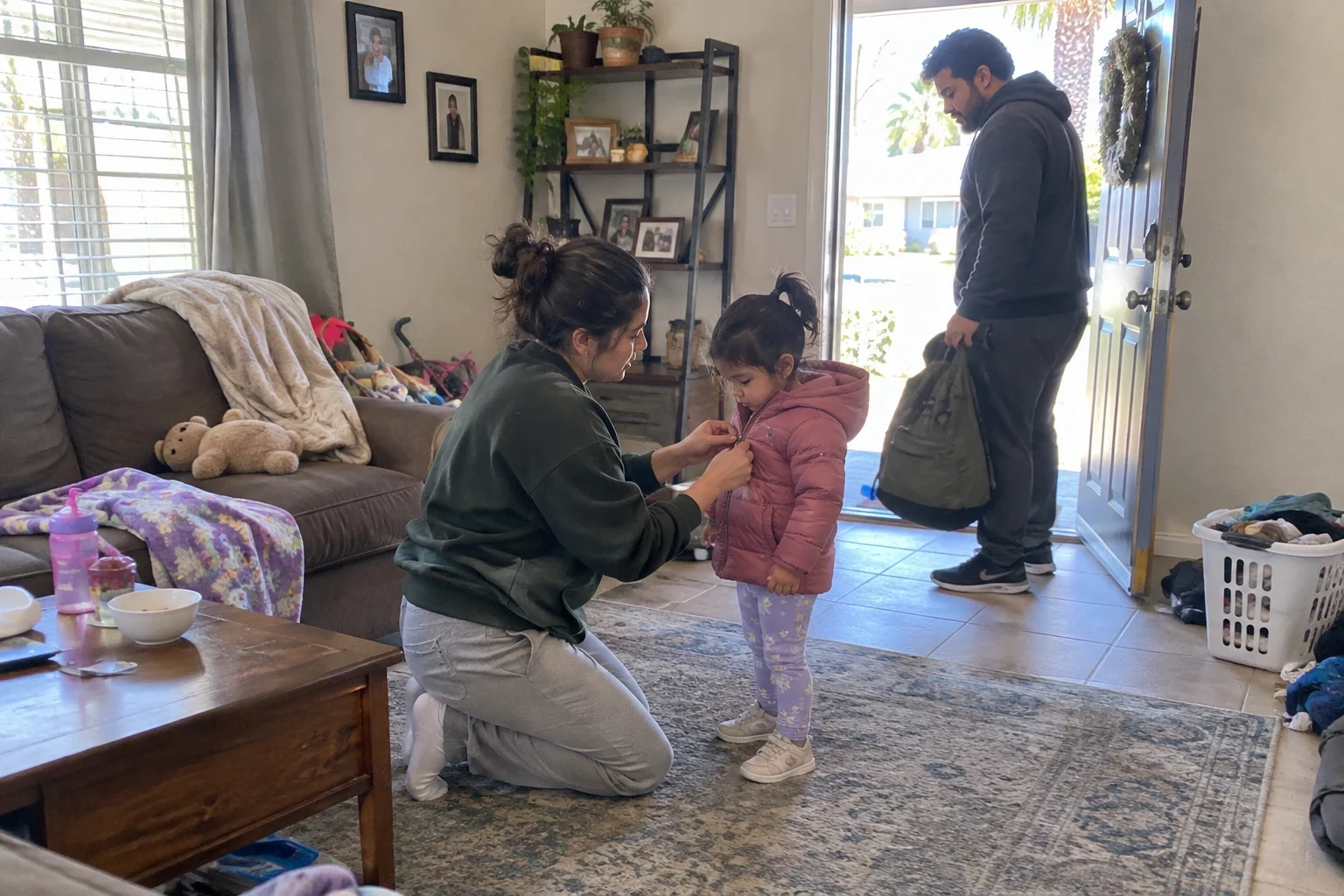
Coverage for a set number of years, often 10, 20 or 30, sized to a mortgage, children's costs or the income your household runs on.

Whole Life Insurance
How whole life cover lasts for life and builds cash value, why it costs what it does, and the questions worth asking a licensed agent.

Final Expense Insurance
A small whole life policy set aside for funeral arrangements and last bills, with a shorter application than most larger policies.
What Life Insurance Indio Is
Life Insurance Indio is a free service with one job: connecting you with a licensed life insurance agent in California. We are not an insurance company, and we are not an agent. No policy is sold, priced, recommended or issued through us.
Once your answers arrive, the conversation belongs to you and the agent who contacts you. The details you send are passed to licensed agents and partner companies so they can reply, and the About page describes that handling more fully.
What Moves the Price of a Policy
Insurers price life coverage on two things: risk and time. Two people asking for the same face amount can be offered very different premiums, because the insurer weighs a short list of personal details. These are the ones that usually carry the most weight.
Neither the form nor anything on these pages shows a price. The insurance company sets it after reviewing your application, and the agent can walk through how each of these details played into it.
- Age
- Your age on the day the policy begins helps set the premium. Starting sooner generally means being priced at a younger age, and with whole life that starting price usually stays locked in.
- Health
- The health questions on an application tell the insurer about your current condition and medical history. When a policy calls for a medical exam, the results give the insurer more to price from.
- Tobacco use
- Few details shift a premium as clearly as smoking or other tobacco use. The application asks about it in plain terms.
- Amount of coverage
- The face amount is the sum your beneficiary would receive, and a bigger one carries a bigger premium. Choosing an amount that meets the need without overshooting it keeps the payment in a range you can sustain.
- Length of the term
- With term life, stretching the term from 10 years to 30 usually raises the monthly premium on the same face amount. The insurer is carrying the risk for two more decades.
- Kind of policy
- A policy that lasts your whole life and gathers cash value usually costs more than term coverage for the same amount, because it is designed to remain in force until you die.
From Short Form to a Decision
Applying for life insurance tends to follow the same sequence for most people. Here is the order it usually takes.
- 1
Answer the short form
Through our short form you share your state, the coverage amount you have in mind, your marital status, a beneficiary's name, your date of birth and how to reach you. It takes about two minutes.
- 2
The agent gets in touch
A licensed agent serving your town contacts you to discuss what the coverage is for and which policy kinds match those reasons. Keep the details of any existing coverage nearby for that conversation.
- 3
Health questions, sometimes an exam
Almost every application asks about your health and tobacco use. Some policies also require a medical exam. Policies without an exam exist too, and they usually cost more or cover less.
- 4
The insurer makes the call
The insurance company decides on every application, including whether to offer coverage and at what price. If you receive an offer, you review the policy and choose whether to accept it.
Towns We Connect Across the Valley
Besides Indio, we serve people in Bermuda Dunes, Desert Palms, Indian Wells, Palm Desert, Coachella, La Quinta, Thousand Palms, Rancho Mirage, Cathedral City and Mecca. Each person is matched with an agent who works in their own town. The handful of questions on the form does not change from one town to the next.
- Indio
- Bermuda Dunes
- Desert Palms
- Indian Wells
- Palm Desert
- Coachella
- La Quinta
- Thousand Palms
- Rancho Mirage
- Cathedral City
- Mecca
What happens after you send your answers is identical across every town on this list, and the Service Areas page goes into that a little further.

Questions People Ask Before They Start
Something not covered here? Ask us
How much coverage do people usually look at?
A common rule of thumb takes several years of income and adds the debts still owed, such as a mortgage balance. Here is an example only, not advice for you: 2023 Census figures put Indio's median household income at $78,709, its median home value at $424,700, and the share of homes lived in by their owner at 68%. Someone earning that median income with a home loan would multiply $78,709 by several years, then add what remains on the loan. Your own number is something you and the agent work out together.
Will my beneficiary owe income tax on the money?
In general, federal law does not count a payout to a named person as taxable income. Circumstances differ from one family to the next, so a tax adviser is the right person to ask about your own case.
Can I cancel after the policy is delivered?
Yes, within the free-look period. Every life policy includes one lasting at least 10 days from delivery, and canceling inside that window returns what you paid. The exact number of days is printed in the policy, so check it when the papers reach you.
Why do people buy life insurance?
Typical reasons are replacing income that others rely on, paying off a mortgage, funding children's costs, covering a funeral and leaving money to family. Many buyers have more than one of these in mind. Naming the main reason makes it easier to decide how long the coverage should last.
Does the form show me a price?
No. It collects a handful of details so an agent can reach you, and it produces no price and no offer. The price depends on your age, health, the amount and the kind of policy, and the agent can show how each one applies to you.
How do people keep a policy working for the long haul?
A policy only protects anyone while it remains in force, so buyers often choose a premium they expect to handle through job changes and into retirement. They also update the beneficiary after a marriage, divorce or new child, because the named person is the one who receives the money. Keeping the policy documents where family can locate them helps as well.
How do I choose between term and whole life?
We don't push you toward one or the other. Most people weigh how many years the need will last, what premium they can keep up and whether they want coverage that never runs out. The Term Life Insurance and Whole Life Insurance pages explain each kind in more depth.
Start With Coverage You Can Keep
A few plain answers now set up a conversation about coverage meant to stay in place for the years it is needed. You choose what happens after that.